
Phone-based driving-risk signals
Summary
A scoring component for an insurance startup’s MVP.
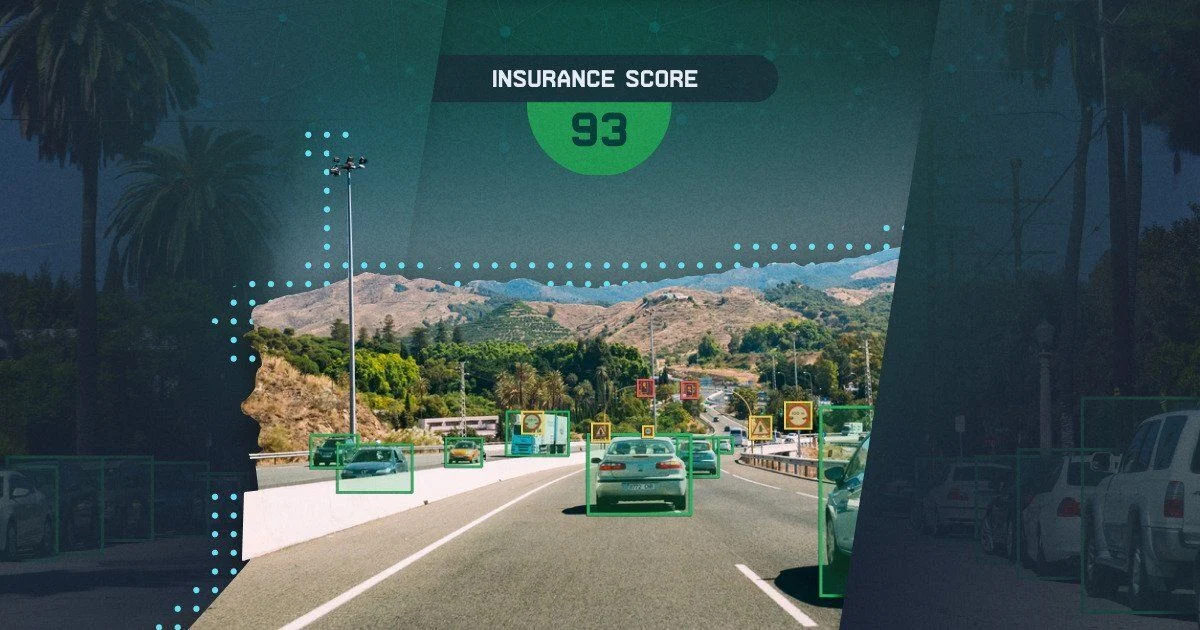
The startup wanted to combine road observations and phone sensors into a more responsive view of driving behaviour.
A mobile computer-vision and sensor pipeline using camera, accelerometer, gyroscope and GPS data, connected to a driving-score model.
Tech Stack
- C++
- Caffe
- CoreML
- Mace
- Metal
- Python
- TensorFlow
- TensorflowLite
Project workstreams
- 01
1 Week
Data Labelling and Processing
Data Engineer - 02
2 Weeks
Data Augmentation
Data Engineer - 03
1 Week
Solution Architecture Design
Solution Architect - 04
2 Weeks
Hypothesis Generation & Validation
Deep Learning Researcher - 05
1 Week
Architecture Modelling
Deep Learning Researcher - 06
3 Weeks
Training & Tuning Cycle pt.1
Deep Learning Researcher - 07
4 Weeks
Optimization for Mobile Device
Deep Learning Engineer - 08
4 Weeks
Training & Tuning Cycle pt.2
Deep Learning Researcher - 09
6 Weeks
Mobile App Development
App Developer,Backend Developer - 10
2 Weeks
CoreML / TF Lite Model Porting
Deep Learning Engineer
Tech Challenge
- The team worked on on-device road-scene segmentation.
- Our team created a customized batch streaming solution to reduce the latency and produce in-batch pre-aggregations on device.
- Pre-aggregated observations feed a driving-behaviour scoring model for the startup’s MVP.
Solution
- The mobile camera tracks road activity alongside accelerometer, gyroscope and GPS data, providing inputs for vehicle detection and driving-behaviour analysis.
- The scoring component was built for the startup’s insurance-oriented MVP.
- The model uses observed driving behaviour to inform reports and driving-style recommendations.
Impact
A working driving-behaviour scoring component integrated into the startup’s MVP.
Published