
In-store vision on constrained hardware
Summary
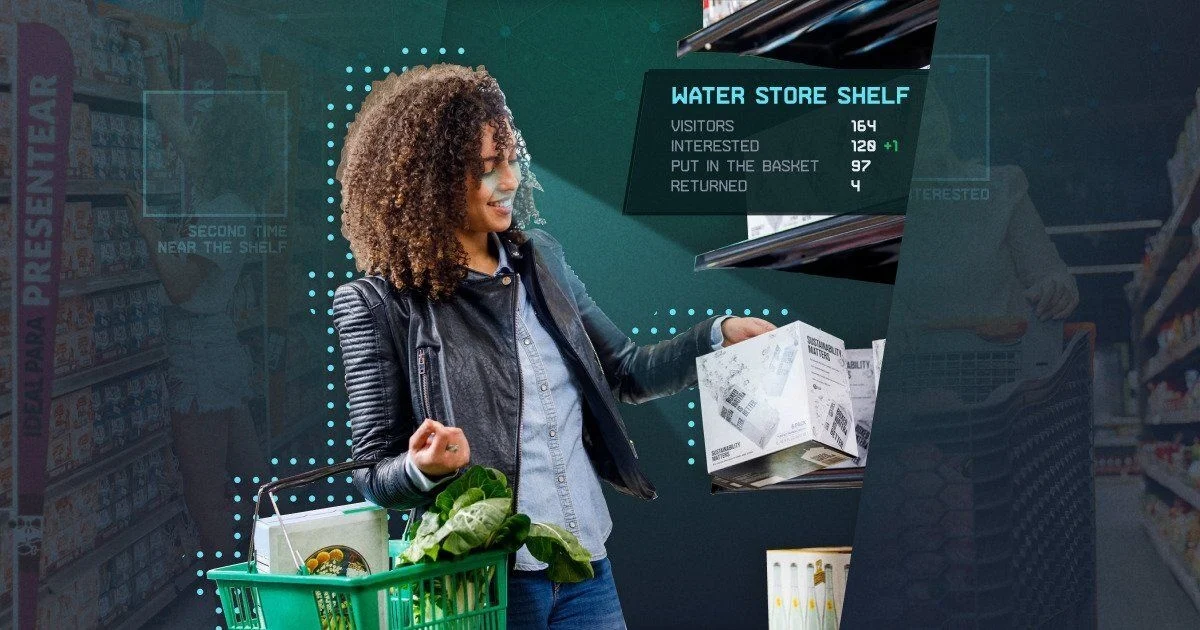
Computer vision for in-store analytics, developed in 2016.
Retail analytics had to track customer movement using limited compute and GPU memory.
A video pipeline for person detection and tracking, adapted to a dual-core Celeron system with a GTX 660 and 2 GB of GPU memory.
Tech Stack
- GStreamer
- OpenCV
- Python
- YoloV2 Darknet
Project workstreams
- 01
1 week
Data Labelling and Processing
Data Engineer - 02
1 week
Solution Architecture Design
Solution Architect - 03
2 weeks
Hypothesis Generation & Validation
Deep Learning Researcher - 04
1 week
Architecture Modelling
Deep Learning Researcher - 05
3 weeks
Training & Tuning Cycle pt.1
Deep Learning Researcher - 06
2 weeks
Model Optimization
Deep Learning Engineer - 07
2 weeks
Training & Tuning Cycle pt.2
Deep Learning Researcher - 08
3 weeks
Video Streaming Backend Development
Backend Developer,Data Engineer - 09
3 weeks
Web Development
Backend Developer,Frontend Developer - 10
1 week
Integration & Deployment
Dev Ops
Tech Challenge
- In 2016, the team needed a real-time detector and video pipeline that could run within the client’s limited compute and GPU-memory budget.
- Additionally, all data had to be cast into a dashboard displaying statistics.
Solution
- Our solution has optimized Darknet YoloV2 and achieved 15 FPS, which was enough to solve the problem.
- For real-time streaming we used GStreamer which we optimized for the in-store setup mentioned above.
Outcome
A video analytics pipeline adapted to the compute and memory limits of the client’s hardware.
The pipeline ran at 15 FPS on a dual-core Celeron and a GTX 660 with 2 GB of GPU memory.
Published