
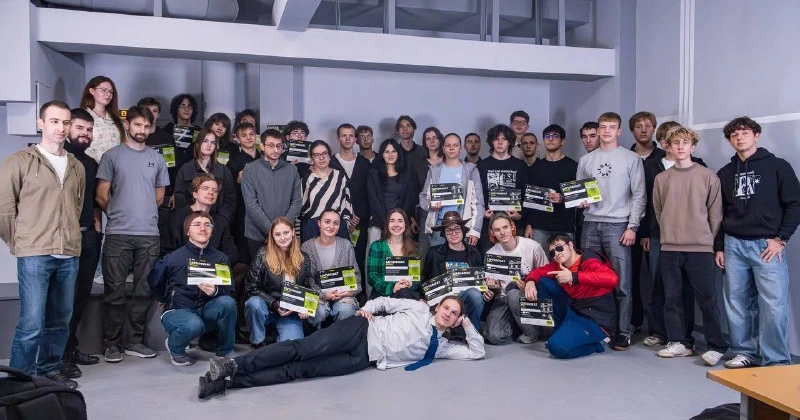
A useful warning must arrive early enough to act on. At Plasma Code, a machine-learning hackathon held at Igor Sikorsky Kyiv Polytechnic Institute on October 9–11, 2026, participants explored that problem through a plasma simulation: how to recognize a developing instability without raising too many false alarms.
The Faculty of Physics and Mathematics and Abitly organized the event, bringing together more than 50 participants in ten teams. DataRoot Labs contributed organizational and mentoring support.
What participants worked on
The organizers' recap describes three approaches among the prize-winning work:
Scroll horizontally to explore all columns →
| Direction | Question explored |
|---|---|
Prediction and response | Can a model recognize a developing instability, identify a likely cause and choose a corrective action within the simulation? |
Physical models and machine learning | How does a compact model built around the simulator's known physical relationships compare with neural-network approaches? |
The cost of errors | How should a model balance a missed disruption against an unnecessary alarm, and how much advance warning can it provide? |
These questions lead to different experiments. A model that detects an event just before it happens may leave little time to respond. An earlier warning is harder because the signals are less conclusive. Raising the alarm more readily can catch more events while also raising false alarms on simulated runs that would have remained stable.
That made the work about more than a single accuracy figure. Participants had to examine the assumptions behind a model, decide when it should raise an alarm and explain the trade-offs in their results. The program included consultations with mentors and presentations to an expert jury.
These are educational project results within the hackathon's software environment, rather than validation of a system on physical equipment.
The format connects technical learning with a concrete problem: participants can inspect signals, form a hypothesis, test it and explain why a result changes.
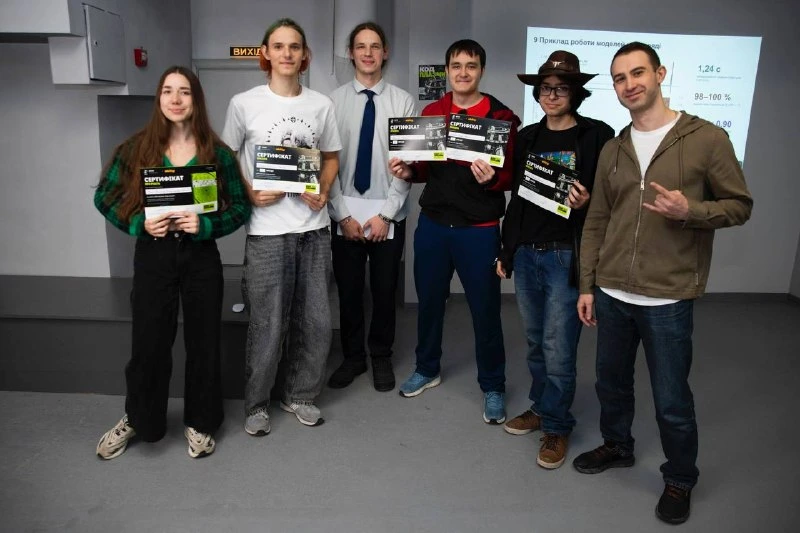
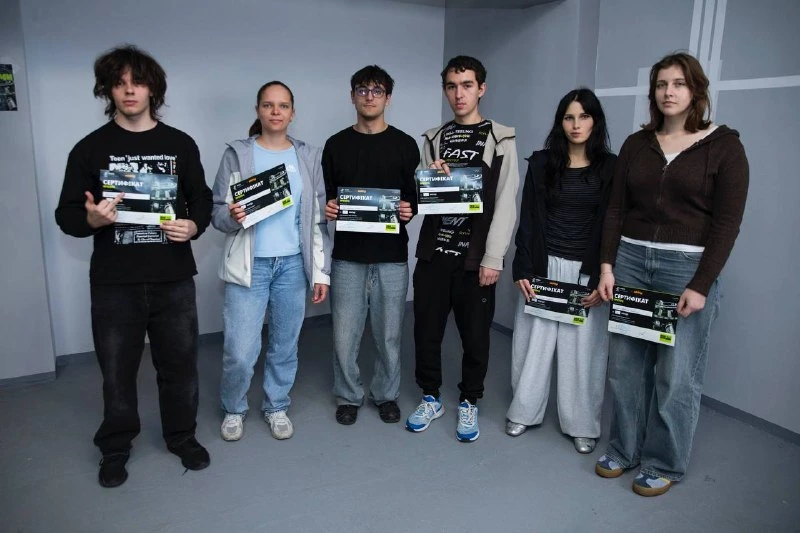
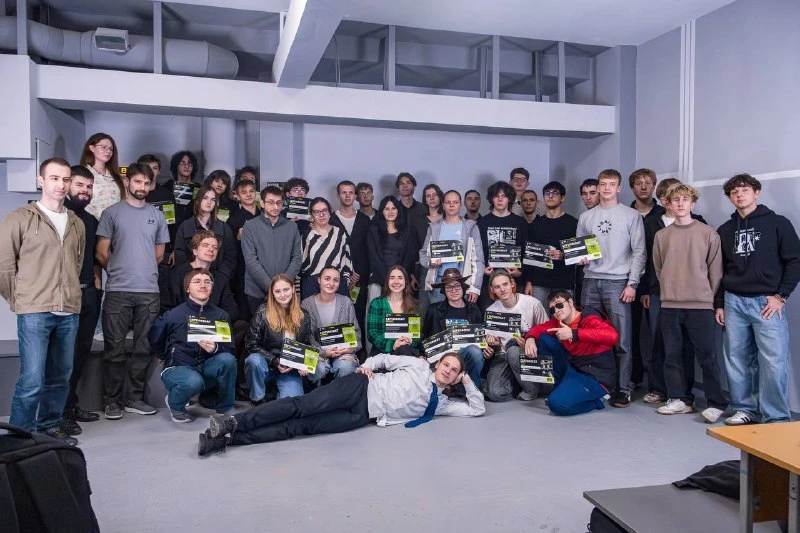
From the hackathon
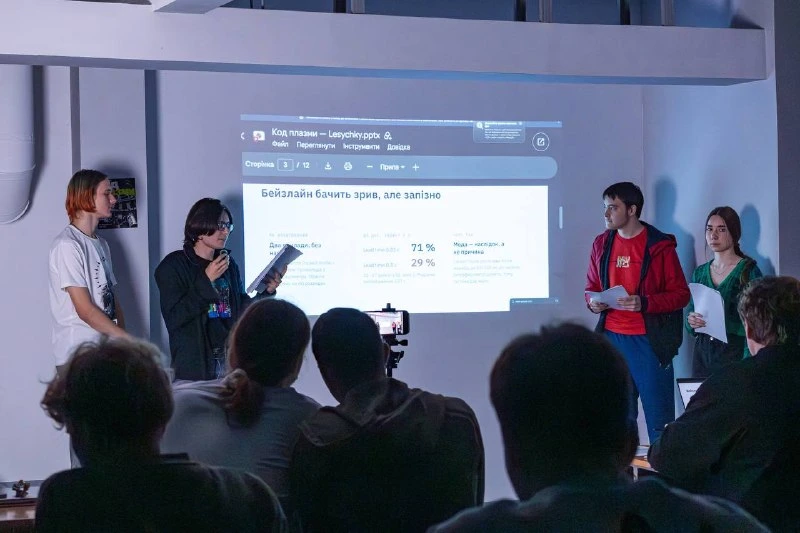
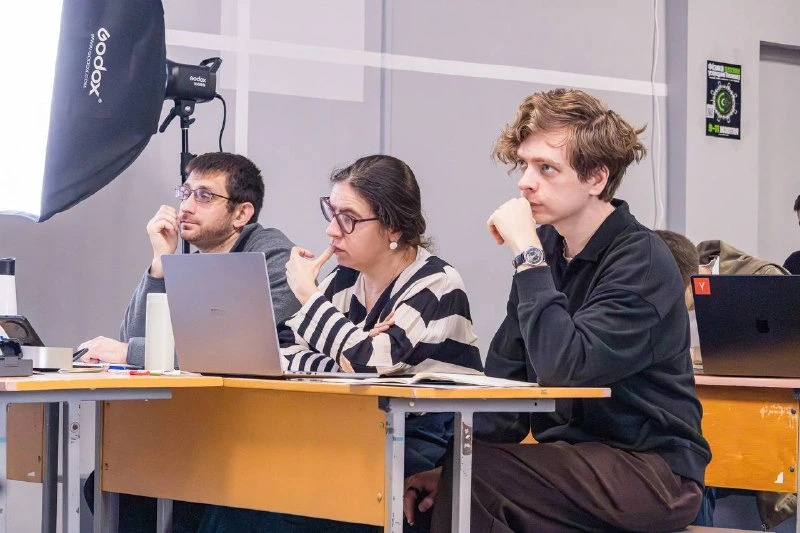
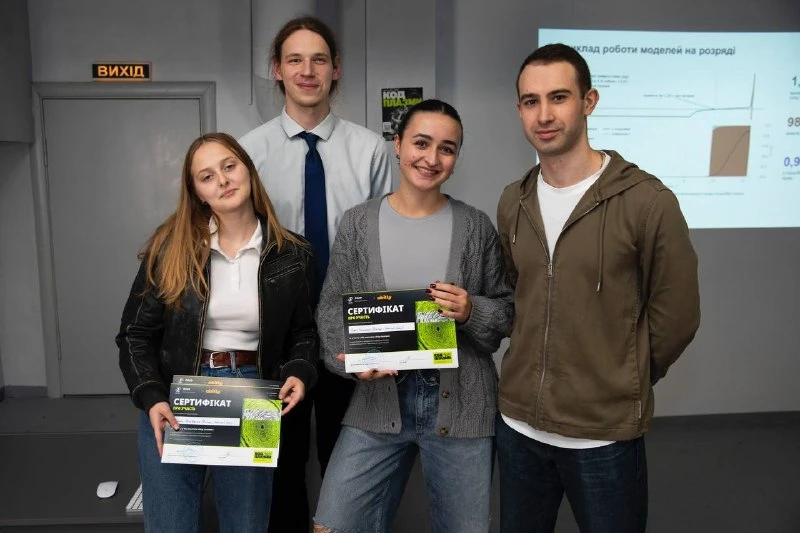
A selection of photographs from Abitly's event album. Use the arrows or thumbnails to browse.
Further reading
The KPI event report provides the university's account, while the original announcement sets out the challenge and preparation expected of participants. Our AI in Chemistry report explores another setting where scientific knowledge helps shape model inputs, experiments and evaluation.
DRL Team ↗
AI R&D Center
Our team shares experiences and insights on how AI and ML change and shape new markets, optimize various industries and our lives.