
What Is AI in Fleet Management?
What Is AI in Fleet Management?
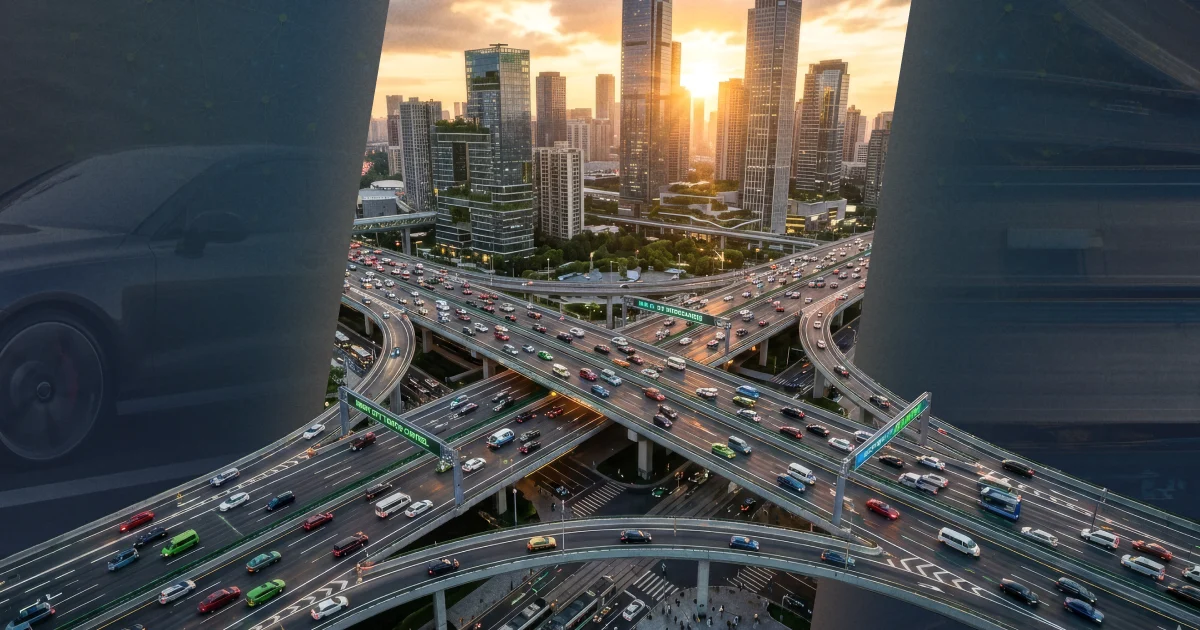
AI in fleet management refers to the use of artificial intelligence, including machine learning, computer vision, and predictive analytics, to automate, optimize, and monitor fleet operations. These systems process real-time data from telematics, GPS, vehicle sensors, and driver behavior to make continuous decisions about routing, maintenance, safety, and fuel efficiency. Unlike traditional GPS tracking, AI fleet platforms learn from historical and live data to predict problems before they occur and adapt operations as conditions change.
Key Takeaways
- AI is a fundamental upgrade over traditional telematics, where legacy systems report what happened, AI decides what should happen next, shifting fleets from reactive tracking to continuous, predictive decision-making.
- Every industry has its own AI priority; trucking focuses on autonomous driving and load planning, last-mile delivery on dynamic rerouting, construction on utilization and geofencing, oil and gas on hazard detection, and public transit on schedule adherence and passenger flow.
- Regional compliance shapes how AI is deployed, North America prioritizes safety mandates and dashcams, Europe emphasizes GDPR and CO₂ targets, and Asia-Pacific centers on dispatch digitization and cost efficiency.
- Traditional fleet systems fail because they are siloed, static, and reactive. AI solves all three by unifying data, adapting in real time, and anticipating problems before they occur.
- Predictive maintenance replaces fixed service schedules with condition-based intervention, eliminating unexpected breakdowns before they disrupt operations.
- Dynamic route optimization recalculates the best path continuously throughout the day, not just at shift start, responding to traffic, weather, and new job assignments in real time.
- AI driver safety platforms prevent incidents rather than just recording them, building real-time behavioral profiles, and issuing in-cab alerts before risks escalate into accidents.
- Fuel and sustainability gains come from coaching individual drivers and optimizing city-level infrastructure together. AI addresses both vehicle behavior and the road environment it operates in.
- Real-time tracking powered by AI goes beyond location; it predicts delays, flags deviations instantly, and triggers proactive reassignment, turning passive monitoring into active operational control.
- The next decade will bring autonomous fleets, edge AI, digital twins, and Fleet-as-a-Service. Organizations that invest in AI infrastructure now will be best positioned to adopt these capabilities as they mature.
AI Fleet Management vs Traditional Telematics
AI fleet management differs from traditional telematics across several key capabilities:
- In terms of GPS tracking, traditional telematics provides static location data, whereas AI fleet management enables predictive delay forecasting.
- For maintenance, traditional systems rely on time-based schedules, while AI leverages predictive failure modeling.
- Routing in traditional telematics is typically pre-planned, whereas AI systems optimize routes dynamically in real-time.
- When it comes to driver safety, conventional telematics focuses on incident logging, whereas AI aims at incident prevention.
- Finally, data usage in traditional telematics is primarily descriptive, while AI fleet management supports prescriptive insights and automated decision-making.
- Traditional systems report what happened. AI systems decide what should happen next.
AI Fleet Management by Industry
AI adoption in fleet management varies significantly across industries, as operational priorities, regulatory environments, and asset types differ from sector to sector.
In trucking and long-haul logistics, AI is primarily used to enable predictive maintenance, optimize load planning, and ensure hours-of-service compliance under regulatory frameworks. Advanced platforms also support autonomous highway driving capabilities, allowing carriers to reduce labor costs, improve fuel efficiency, and increase asset utilization across long-distance routes.
In last-mile delivery operations, AI focuses on hyper-dynamic routing that continuously adapts to real-time traffic conditions, delivery windows, and new order inflows. These systems help optimize urban congestion challenges while coordinating electric vehicle charging schedules to maintain delivery performance without compromising battery efficiency.
Within construction and heavy equipment fleets, AI is applied to idle time analytics and equipment utilization forecasting to reduce unnecessary fuel consumption and maximize return on high-value machinery. Geofencing technologies powered by AI also enhance theft prevention and ensure that assets remain within authorized operational zones.
Oil and gas fleets operate in complex and often hazardous environments, where AI supports remote operations, monitoring, and real-time hazard detection. Predictive maintenance models are tailored for harsh operating conditions, helping prevent equipment failure in remote locations where downtime can be extremely costly.
In public transport systems, AI improves schedule adherence by dynamically adjusting routes and departure times based on traffic and passenger demand patterns. Passenger flow prediction models support capacity planning, while smart signal integration enhances route efficiency and reduces congestion across urban transit networks.
AI Fleet Management by Region
In North America, particularly in the United States and Canada, AI fleet systems must comply with FMCSA Hours-of-Service regulations, ELD mandates, and OSHA safety standards. The U.S. market is at the forefront of AI dashcams, autonomous trucking pilots, and large-scale logistics AI adoption.
In Europe, AI fleet platforms emphasize GDPR data privacy compliance, sustainability reporting, and CO₂ emission reduction. Electric vehicle fleet optimization is expanding quickly across Germany, France, and the Nordic countries.
In the Asia-Pacific region, China is leading in autonomous trucking development through companies like Inceptio Technology. India and Southeast Asia are concentrating on AI dispatch automation, fuel cost optimization, and the digitization of informal fleets.
Reasons for Traditional Fleet Systems Falling Short
Before the adoption of artificial intelligence, fleet managers relied on static and fragmented tools such as paper logs, spreadsheets, and isolated GPS systems that were unable to respond effectively to real-world variability. These traditional approaches fell short in several critical areas:
- Siloed data: Vehicle sensor data, driver logs, traffic information, and customer orders were stored in separate systems with no unified operational view, limiting informed and timely decision-making.
- Static route planning: Routes were created in advance and could not adapt to real-time traffic disruptions, weather changes, road closures, or mid-shift job additions, reducing efficiency and increasing operational costs.
- Reactive maintenance: Vehicles were serviced according to fixed schedules rather than actual condition, often resulting in unexpected breakdowns, emergency repairs, and costly downtime.
- Limited driver visibility: Fleet managers lacked real-time insight into driver behavior and emerging safety risks, making it difficult to proactively prevent accidents or address unsafe driving patterns.
Together, these limitations made traditional fleet management reactive, inefficient, and poorly suited for handling complex, large-scale fleet operations.
5 Core Use Cases of AI in Fleet Management
1. Predictive Maintenance
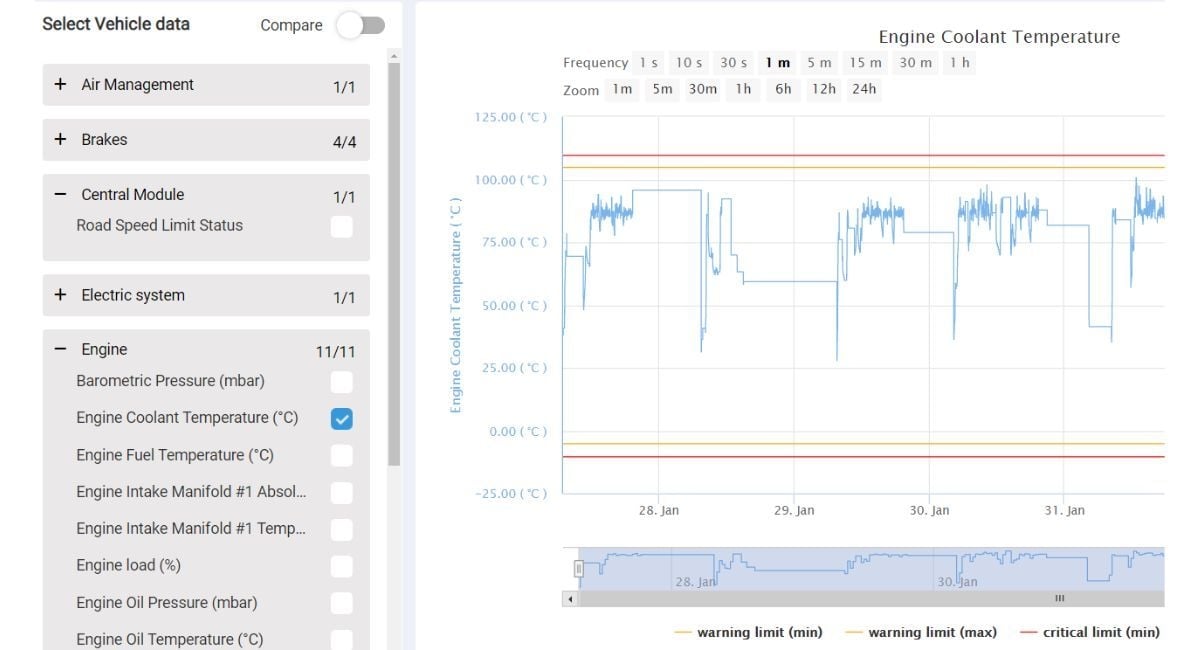
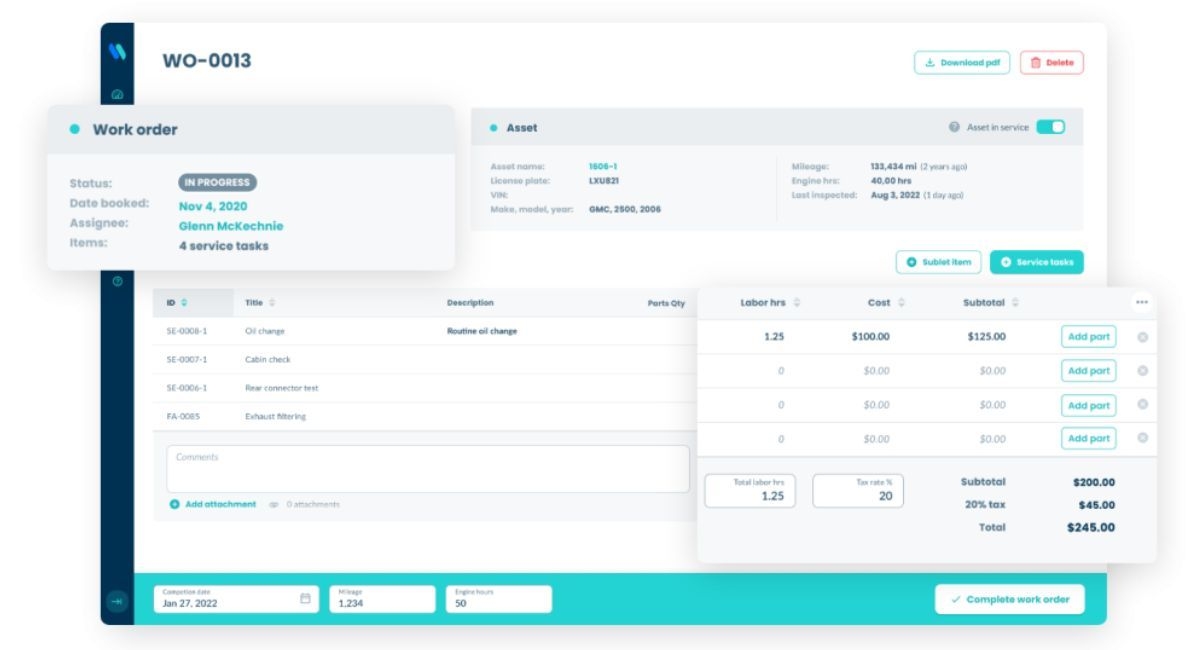
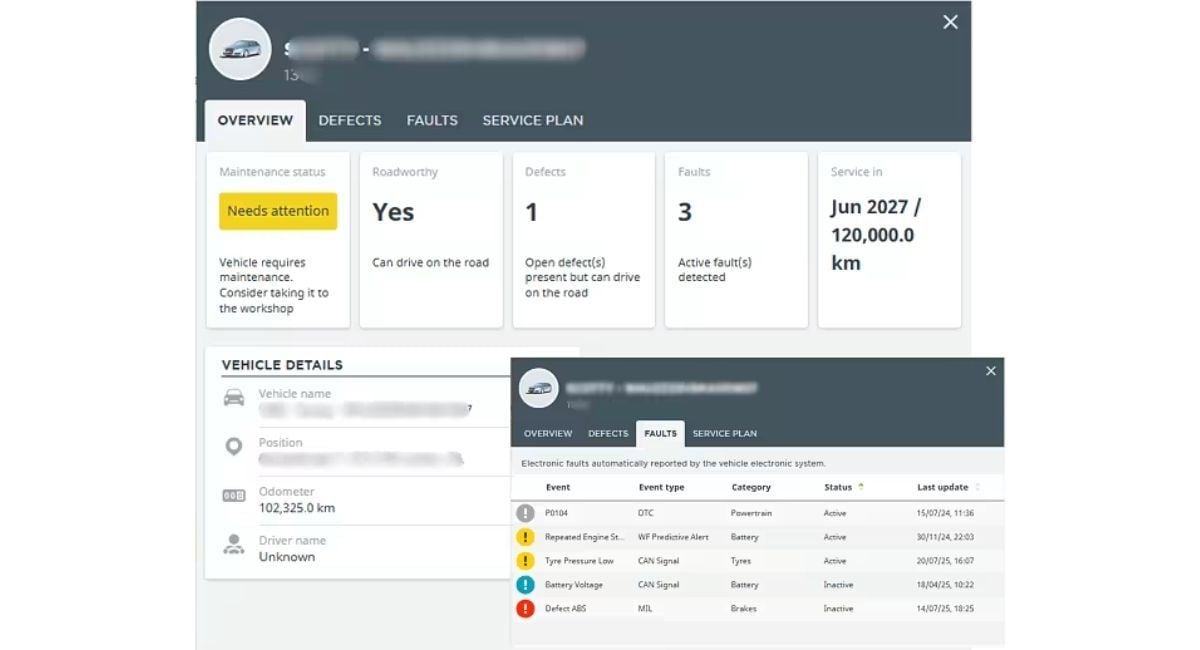
Predictive maintenance uses AI sensor analysis to forecast when a vehicle component will fail, replacing time-based service intervals with need-based intervention. By monitoring engine data, mileage, hours in service, and IoT telemetry, AI systems generate automated maintenance alerts before failures occur. Leading logistics providers using AI predictive maintenance have reduced vehicle downtime by 30% and saved hundreds of thousands of dollars annually in repair costs.
Scroll horizontally to explore all columns →
| Company | HQ / year founded | Amount Raised, $ | AI Capability |
|---|---|---|---|
| Webfleet ↗ | Germany / 2004 | — | DetailsEnterprise platform for 60,000+ businesses in 180 countries; ML-powered predictive vehicle health via Questar partnership. |
| Whip Around ↗ | USA / 2016 | $19.3M | DetailsMobile DVIR, work-order management, defect tracking; AI triggers alerts and work orders before issues escalate. |
| Stratio ↗ | Portugal / 2017 | $15.4M | DetailsReal-time predictive SaaS for buses, trucks, and EVs; used by 5 of the world's 10 largest transport companies. |
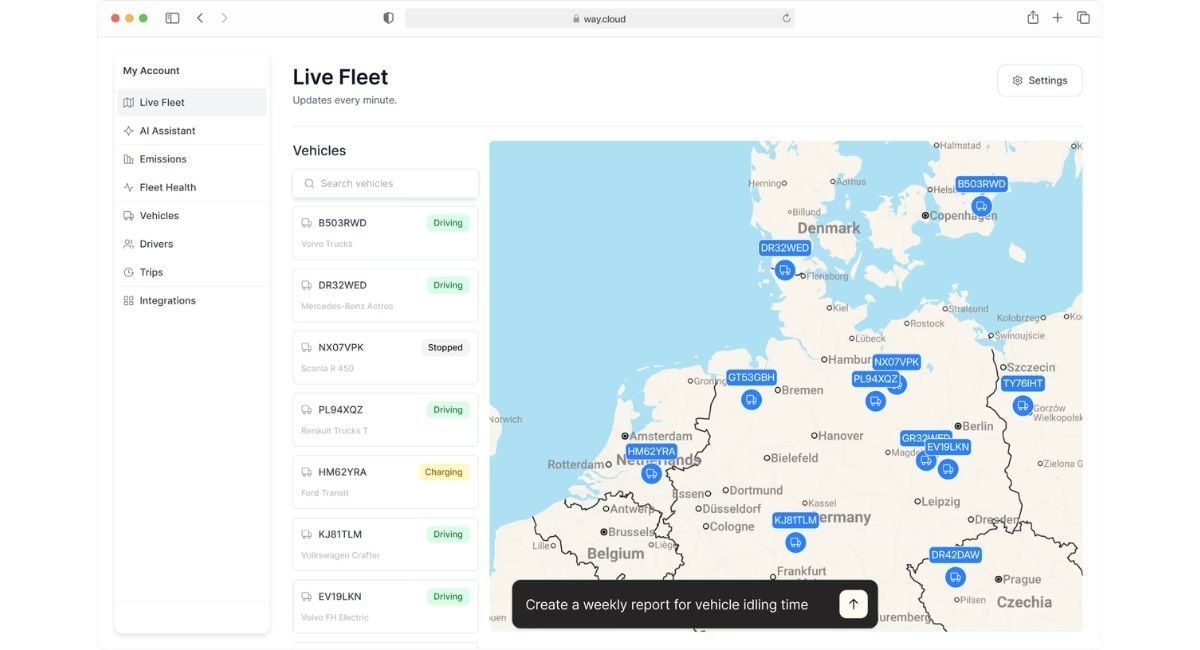
| Way ↗ | Finland / 2025 | $2.93M | DetailsData infrastructure platform unifying multi-OEM fleet data; generates predictive maintenance alerts via AI normalization. |
Companies Leading Predictive Maintenance
2. Dynamic Route Optimization
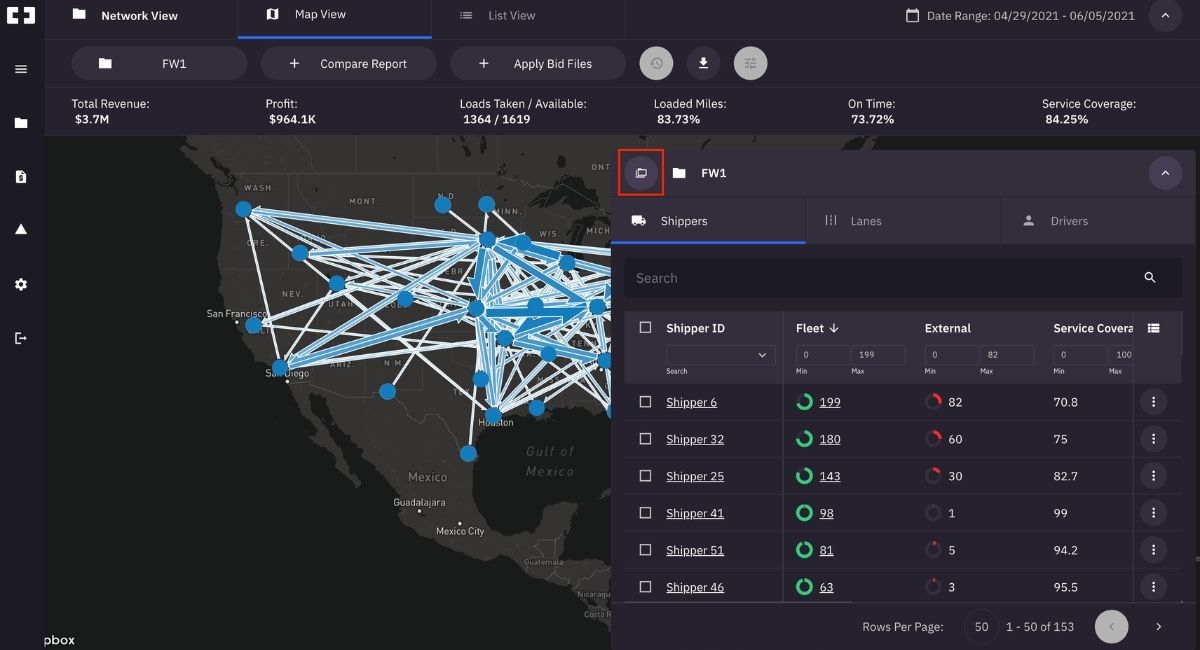
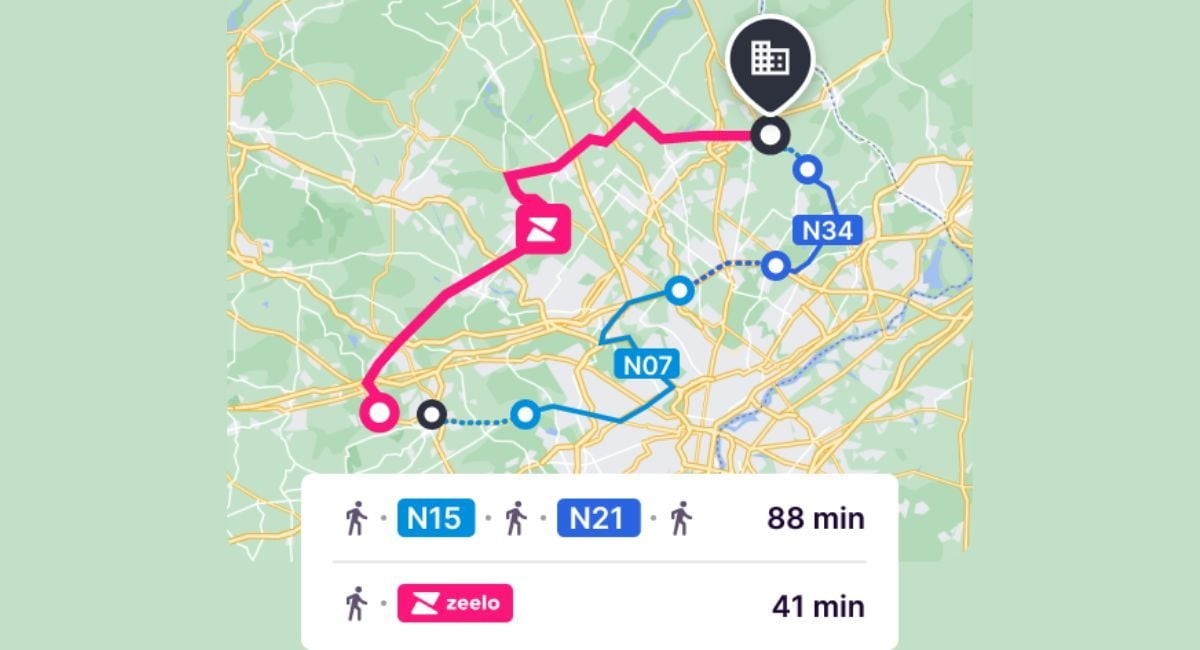
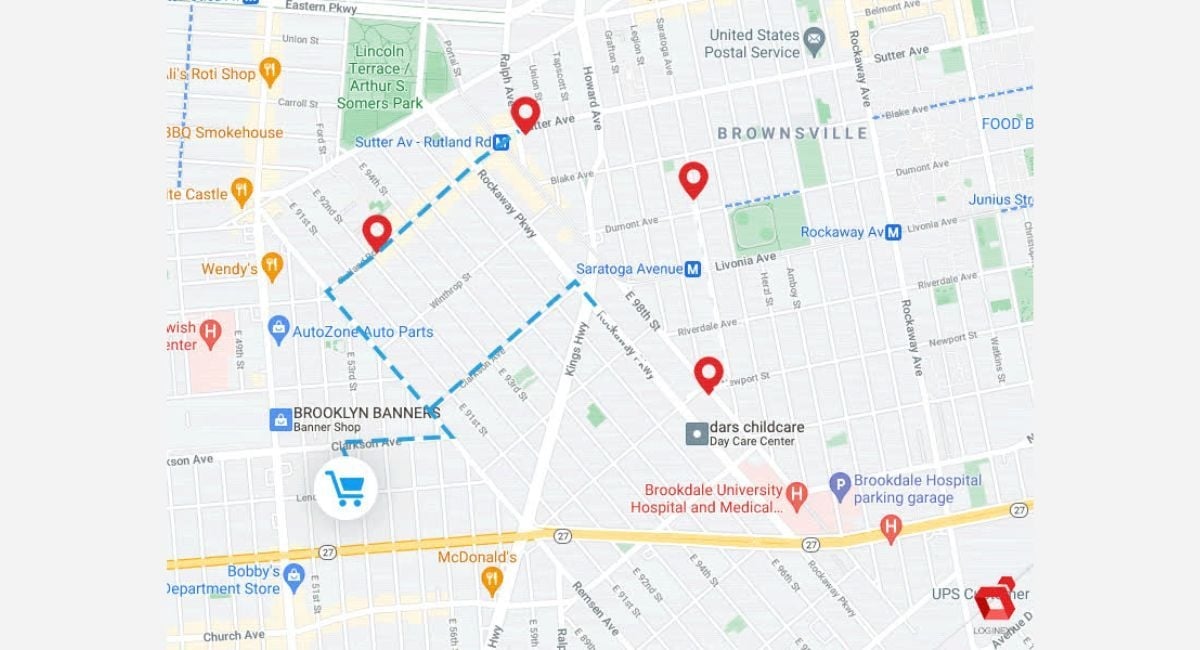
AI route optimization continuously recalculates the best path for each vehicle based on real-time traffic, weather, and incoming job changes, not just at the start of a shift, but throughout the day. AI-powered dynamic routing has delivered up to a 40% reduction in operational costs for oversized-vehicle logistics operators and up to 25% faster delivery times in last-mile operations. Unlike static route planners, AI systems model the downstream value of every routing decision using reinforcement learning and stochastic optimization.
Scroll horizontally to explore all columns →
| Company | HQ / year founded | Amount Raised, $ | AI Capability |
|---|---|---|---|
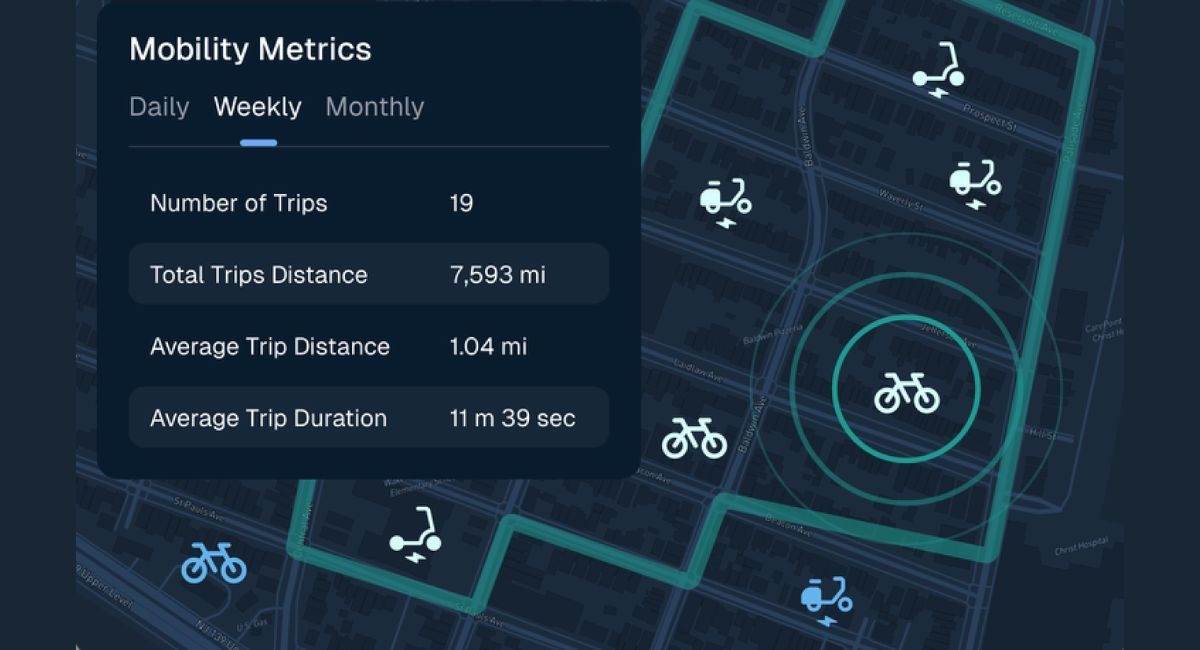
| Populus ↗ | USA / 2017 | $19.9M | DetailsUrban mobility platform for cities and shared-mobility operators; ML predicts vehicle repositioning and compliance incidents. |
Zeelo | UK / 2016 | $56.6M | DetailsRINA algorithm optimizes corporate shuttle routes dynamically; customers reduce transport spend by 10-29%. |
| LogiNext ↗ | USA/India / 2014 | $49.6M | DetailsAnalyses millions of routes in seconds; delivers up to 25% faster deliveries and 20% fuel cost reduction. |
| Optimal Dynamics ↗ | USA / 2021 | $95.8M | DetailsReinforcement learning + approximate dynamic programming for truckload carriers; 80% of manual planning tasks automated. |
Companies Leading Dynamic Route Optimization
3. Driver Behavior Monitoring, Safety Alerts, and Risk Detection
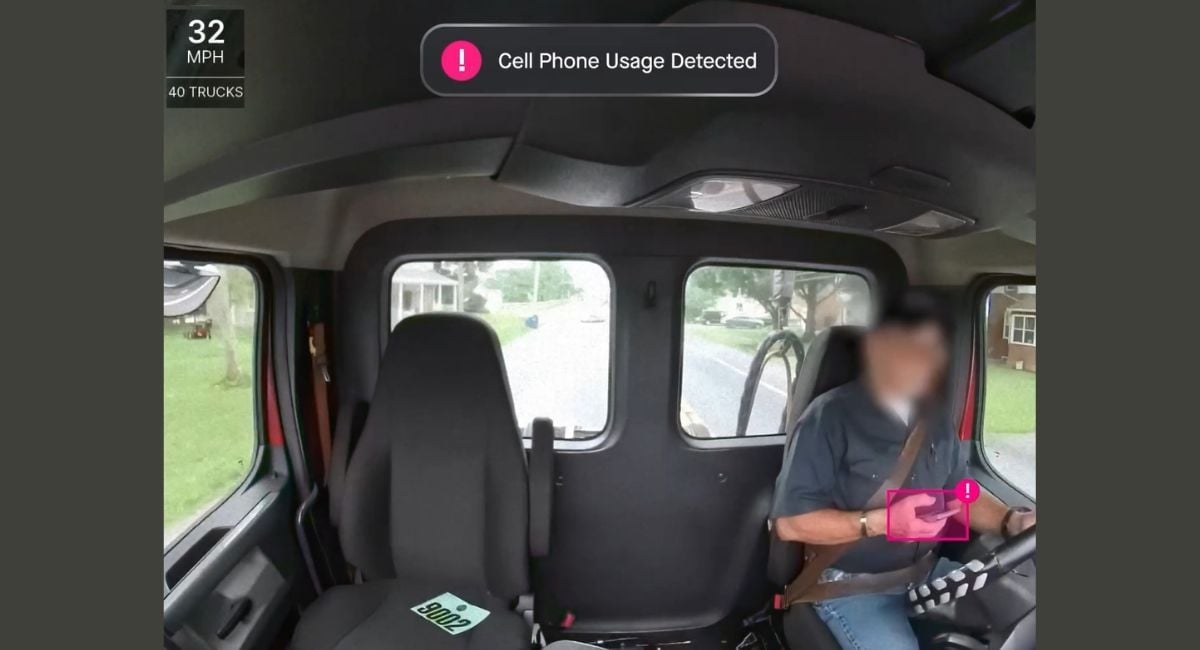
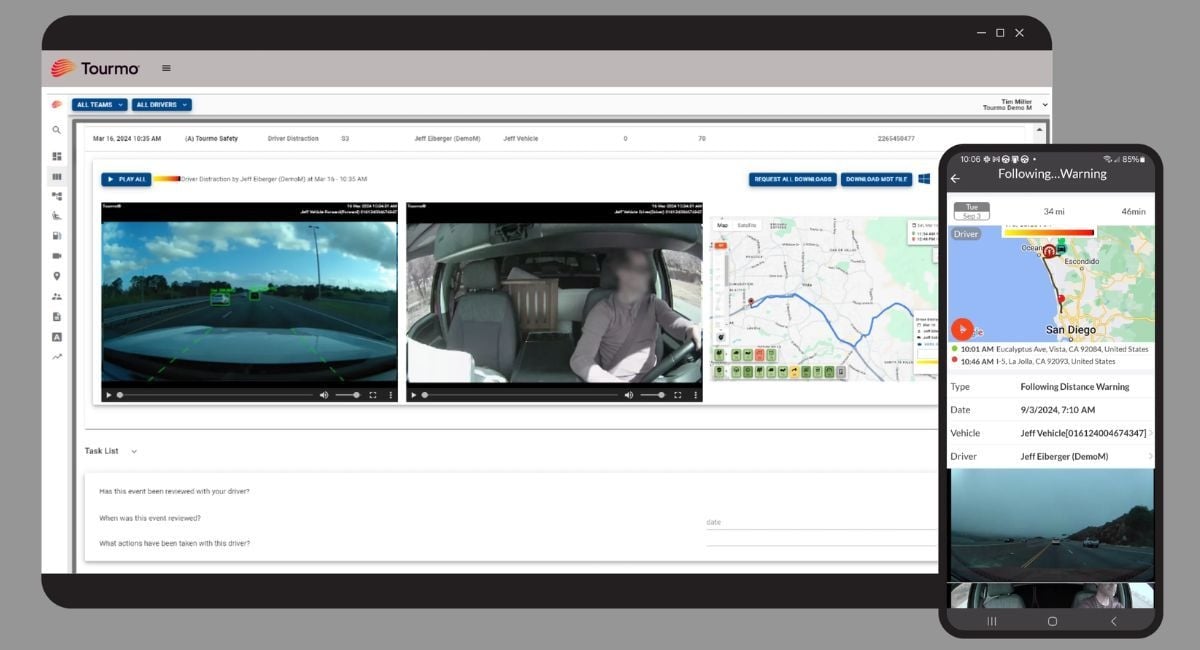
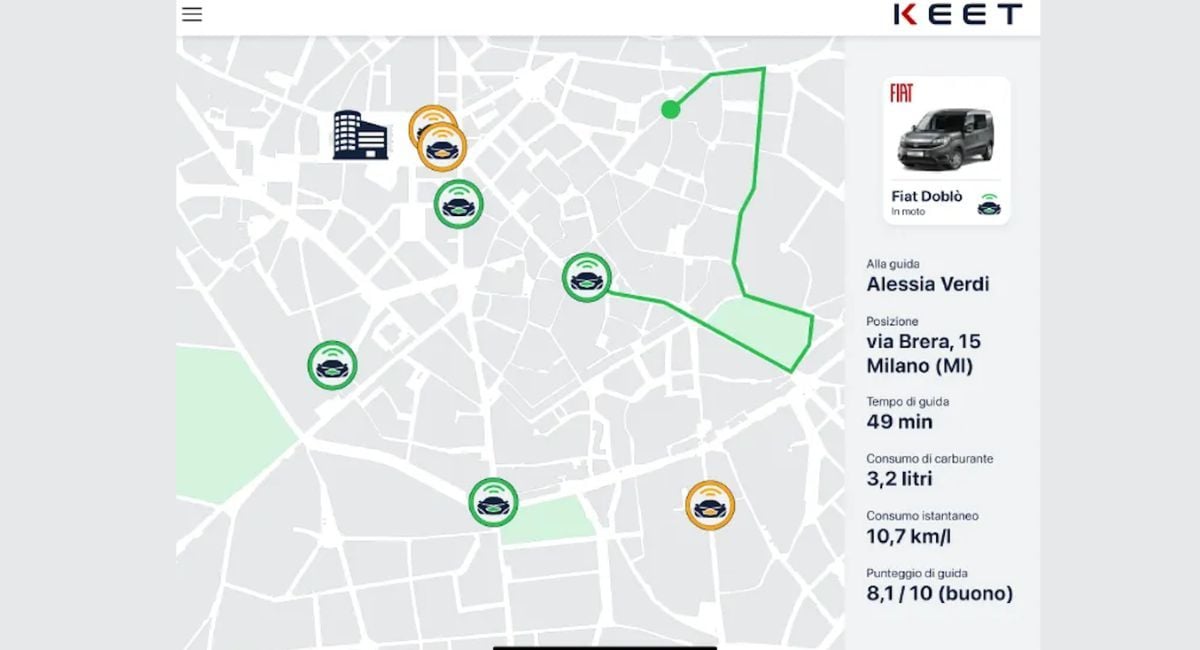
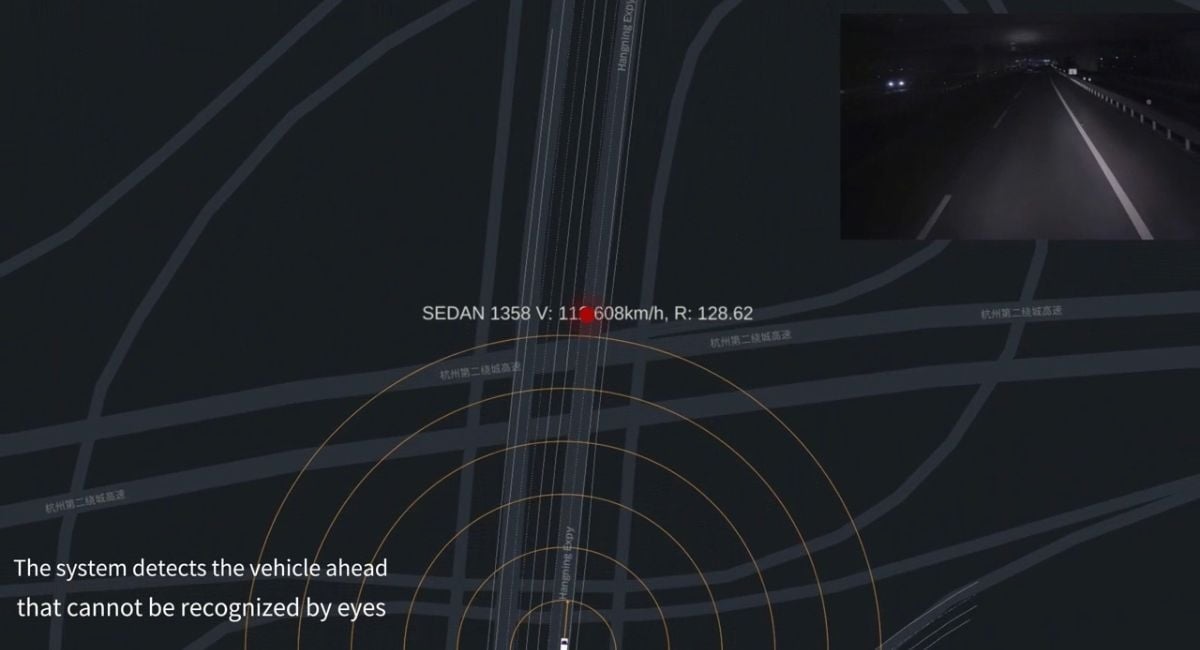
AI fleet safety platforms move beyond incident recording to incident prevention. By continuously analyzing telematics, GPS, computer vision, and environmental signals, these systems build driver behavioral profiles and fleet-wide risk heat maps. When elevated risk is detected, real-time in-cab alerts give drivers time to correct behavior, in some systems, providing up to 100 extra feet of reaction distance at 60 mph. AI safety platforms have been credited with preventing more than 170,000 accidents and saving over 1,500 lives.
Scroll horizontally to explore all columns →
| Company | HQ / year founded | Amount Raised, $ | AI Capability |
|---|---|---|---|
| Motive ↗ | USA / 2013 | $567.3M | DetailsAI Dashcam Plus runs 30+ precision AI models simultaneously; DRIVE risk-scoring enables proactive driver coaching. |
Keet | Italy / 2020 | DetailsLightweight AI for SMB fleets; real-time eco-driving coaching and risk-scoring without complex hardware. | |
| Tourmo ↗ | USA / 2014 | $8M | DetailsDevice-agnostic AI layer over existing hardware; AutoPilot turns risk events into automated coaching; natural-language CoPilot. |
Nauto | USA / 2015 | $173.9M | DetailsPredictive Risk Fusion scores live collision risk; trained on 4B+ AI-processed driving miles; up to 80% collision reduction. |
Companies Leading Driver Behavior Monitoring, Safety Alerts, and Risk Detection

4. Sustainability and Fuel Optimization
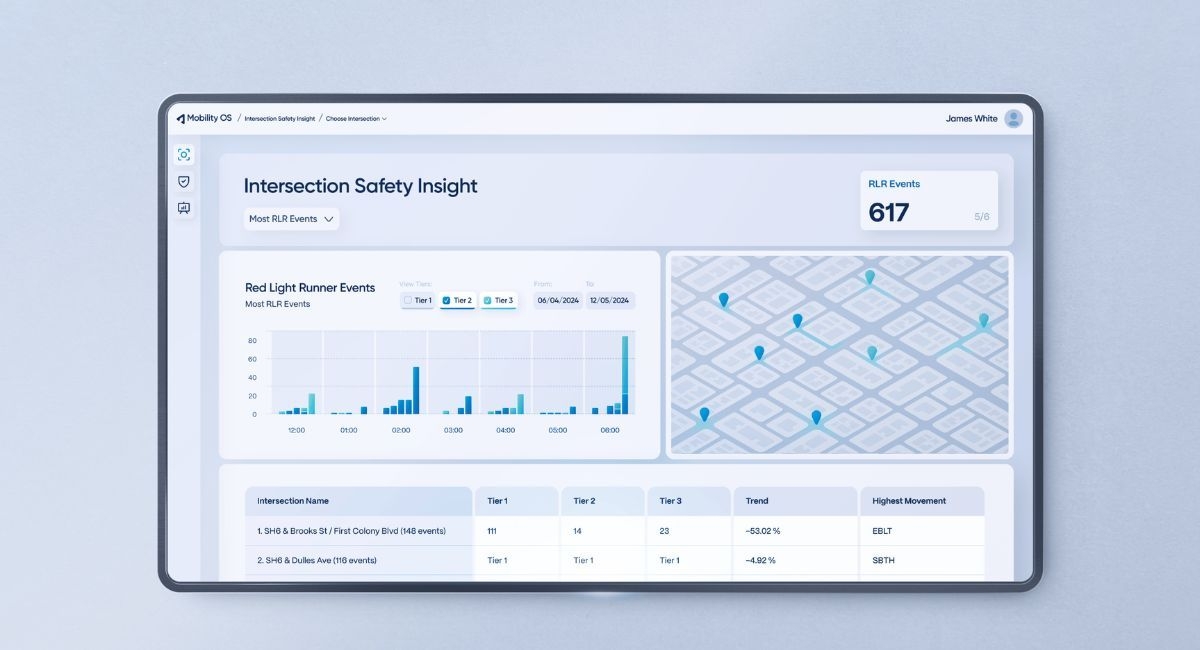
AI reduces fleet fuel consumption by analyzing historical driver behavior patterns like idle times, acceleration style, braking frequency, and optimizing routes and driving coaching in real time. Beyond individual vehicles, AI can transform city-level infrastructure: NoTraffic's AI signal management system eliminated 900 hours of commute time and cut 11 tonnes of vehicle emissions at just 2% of traffic signals in a Redlands, CA pilot. For EV fleets, AI coordinates charging schedules, battery health monitoring, and route planning to make electric operations economically viable.
Scroll horizontally to explore all columns →
| Company | HQ / year founded | Amount Raised, $ | AI Capability |
|---|---|---|---|
| NoTraffic ↗ | Israel / 2016 | $75.7M | DetailsAI analyzes thousands of signal-timing scenarios per second; Transit Signal Priority cuts bus route times and emissions. |
| Inceptio Technology ↗ | China / 2018 | $678M | DetailsFull-stack autonomous trucking (L2+ to L4); 4,000+ commercial trucks, 400M+ km, 75–99% safer than human-operated. |
Companies Leading Sustainability and Fuel Optimization
5. Real-Time Vehicle Tracking and Operational Intelligence
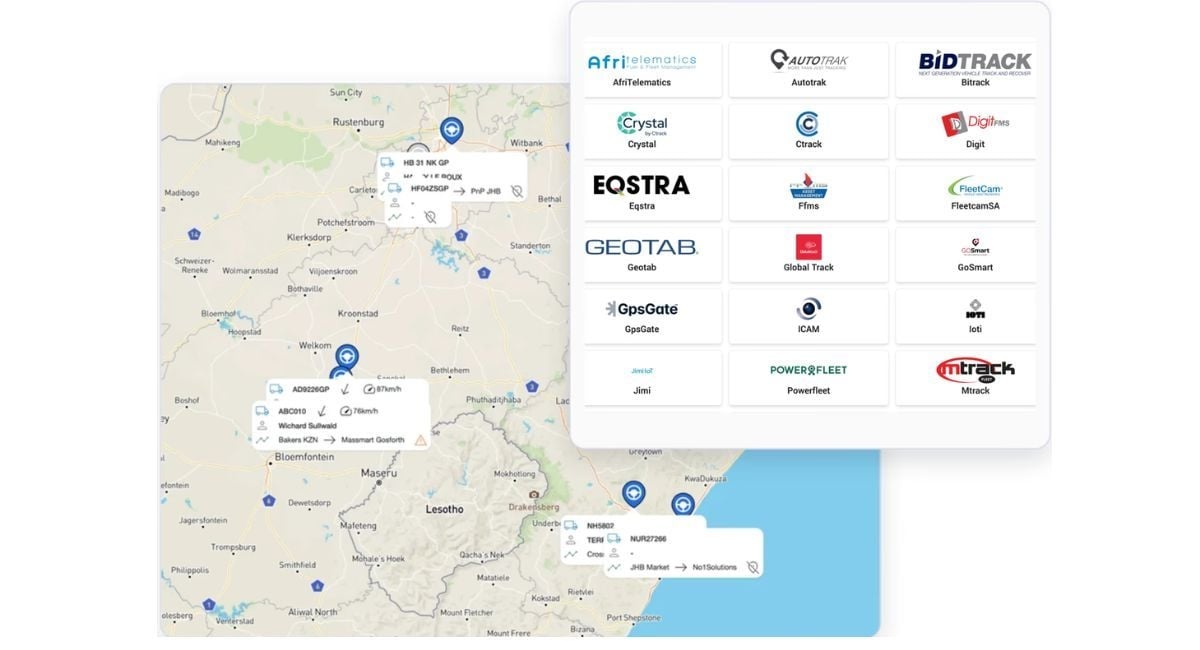
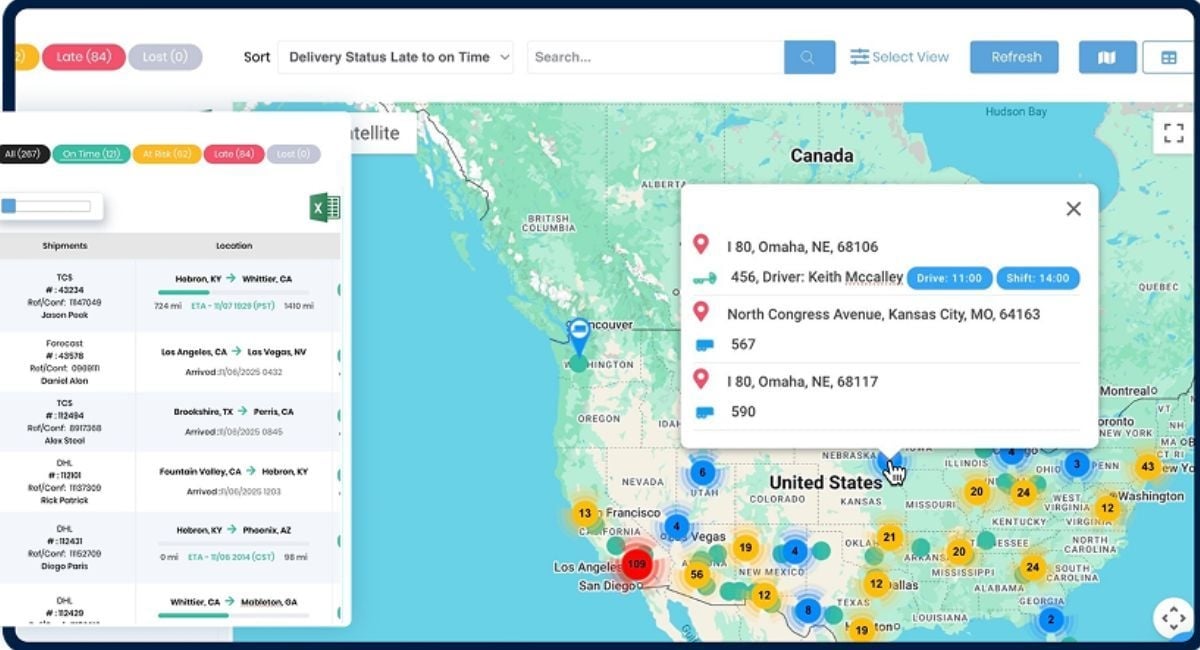
Traditional GPS provides a fixed location snapshot. AI-powered fleet tracking combines telematics with live and historical traffic data to predict delays, flag route deviations in real time, and enable proactive vehicle reassignment. This transforms tracking from a passive record-keeping function into an active operational intelligence tool. Fleet managers receive alerts the moment a vehicle deviates from plan, not after the delay has already occurred.
Scroll horizontally to explore all columns →
| Company | HQ / year founded | Amount Raised, $ | AI Capability |
|---|---|---|---|
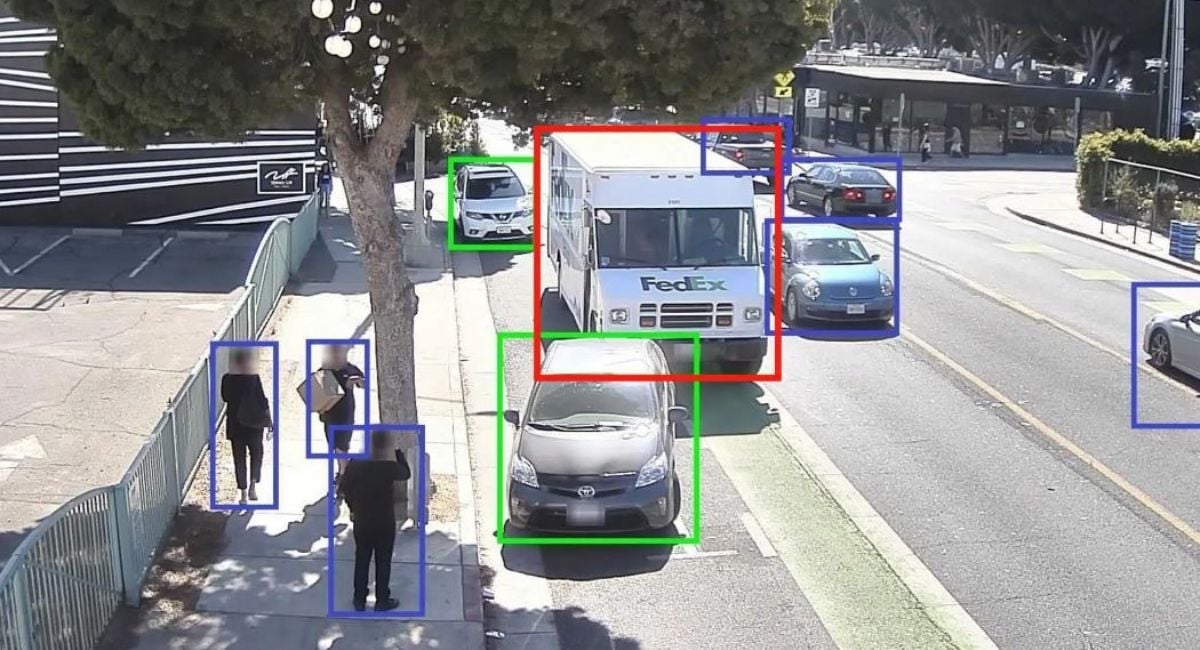
| Automotus ↗ | USA / 2017 | $21.8M | DetailsComputer-vision AI monitors curb usage; provides fleet operators with predictive loading-zone availability data. |
| LoadStop ↗ | USA / 2019 | $4.5M | DetailsAI automates dispatch recommendations and matches drivers to loads based on HOS, location, and carrier preferences. |
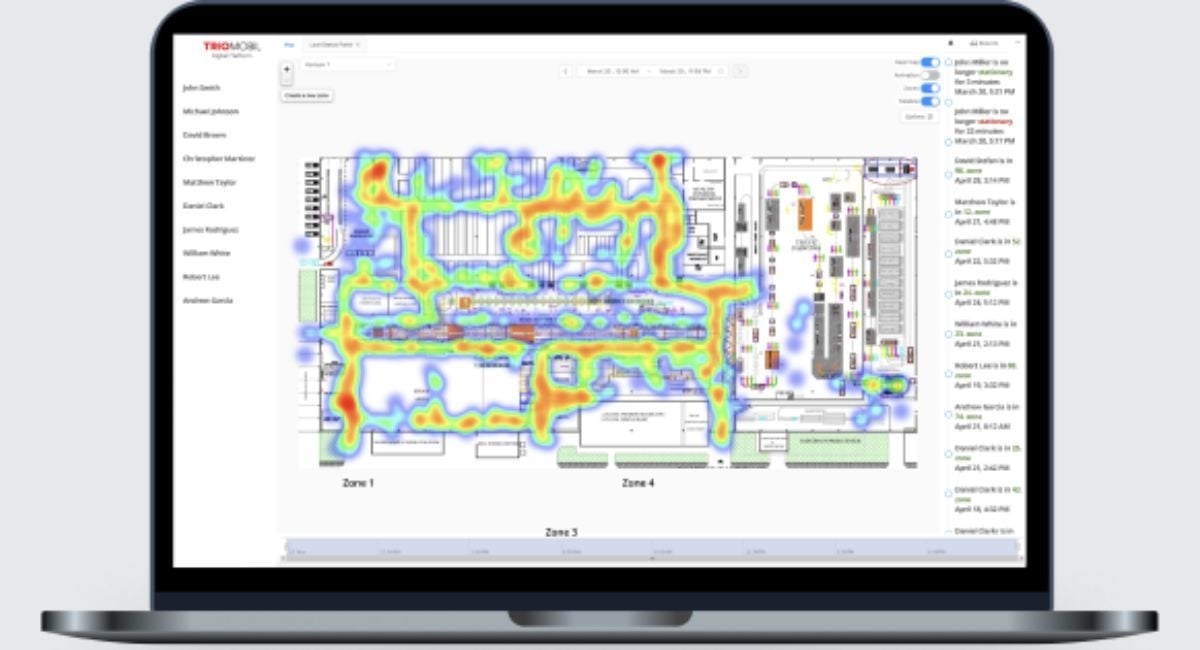
| Trio Mobil ↗ | USA / 2011 | $34.7M | DetailsIoT + AI for road and forklift fleets; continuous sensor processing for safety alerts and asset utilization optimization. |
CtrlFleet | South Africa / 2024 | — | DetailsAI-driven telemetry analytics for African markets; risk scoring and anomaly detection from driver behavior. |
Companies Leading Real-Time Vehicle Tracking and Operational Intelligence
Measurable Benefits of AI in Fleet Management
AI in fleet management delivers measurable improvements across multiple operational dimensions by transforming fragmented, reactive workflows into a unified and proactive decision-making system. By treating fleet operations as a large-scale constrained optimization problem and continuously processing streaming data from telematics, GPS, vehicle sensors, and driver behavior systems, AI enables consistent, data-driven performance gains across the organization.
Key benefit areas and outcomes include:
- Cost reduction: Dynamic route optimization and intelligent dispatching can reduce overall operational costs by up to 40%, while AI-driven fuel optimization programs have demonstrated fuel savings of up to 20%.
- Safety improvement: AI-powered driver monitoring and collision prevention systems have contributed to the prevention of more than 170,000 accidents, with some platforms reporting up to an 80% reduction in collision rates.
- Maintenance savings: Predictive maintenance models reduce unplanned vehicle downtime by up to 30% and help eliminate costly reactive repair cycles.
- Sustainability: AI supports measurable CO₂ reductions through optimized routing, eco-driving coaching, and coordinated electric vehicle charging strategies.
- Operational efficiency: Automated planning and dispatch systems can handle up to 90% of routine scheduling tasks without increasing headcount, enabling fleets to scale volumes without proportional staffing growth.
- Driver performance: Personalized, real-time coaching helps reduce high-risk driving behaviors, which can lead to lower insurance premiums and improved fleet safety culture.
- Autonomous scale: In advanced deployments, autonomous fleet platforms have demonstrated labor cost reductions of 20–50% and fuel savings of 2–10% per autonomous route.
Together, these outcomes illustrate how AI-driven fleet management delivers both immediate cost efficiencies and long-term strategic advantages.
Challenges and Risks of AI in Fleet Management
Despite its benefits, AI fleet management introduces several implementation challenges that organizations must address proactively to sustain ROI beyond the pilot stage.
Key challenges include:
- Data quality and integration: Noisy, incomplete, or fragmented telematics data can lead to unreliable AI predictions. Before deploying AI models, organizations must ensure consistent identifiers and proper integration across all fleet systems.
- Real-time processing demands: AI systems must continuously process live data streams and respond instantly to disruptions. Latency issues or system failures during peak load can undermine safety improvements and operational efficiency gains.
- Model drift: As fleet composition, traffic conditions, and customer demand evolve, AI model accuracy can degrade over time. Continuous monitoring and retraining pipelines are necessary to maintain performance.
- Optimization trade-offs: Fleet operations involve competing objectives, such as speed versus safety or utilization versus maintenance. If these trade-offs are not explicitly defined and managed, AI systems may generate unintended or suboptimal outcomes.
- Driver trust and adoption: Black-box AI recommendations and frequent false alerts can reduce trust among drivers and dispatchers. Explainable AI and transparent decision logic are critical for long-term adoption.
- Privacy and compliance: Monitoring driver behavior introduces workforce sensitivity and regulatory complexity. Compliance with frameworks such as GDPR, FMCSA regulations, and data-sharing agreements must be carefully managed.
- Scaling beyond pilots: Moving from a successful pilot to full-scale deployment requires clearly defined performance metrics, integration with operational workflows, and structured change management to ensure sustainable returns.
Future of AI in Fleet Management? (Top 10 Trends)
Over the next decade, AI will fundamentally redefine fleet operations. The following trends represent the most significant shifts expected by 2035:
- Autonomous and semi-autonomous fleets operating without direct human oversight, with AI coordinating routing and workload across all vehicles.
- On-board edge AI processing that enables real-time routing, collision avoidance, and safety decisions without requiring cellular connectivity.
- AI-coordinated EV fleet management, including automated charging schedules, battery health monitoring, and sustainability-optimized routing.
- Shift from predictive to prescriptive analytics, AI not only forecasts problems but also automatically prescribes corrective actions before downtime occurs.
- Digital twin fleet simulations that model entire fleet operations virtually, allowing risk-free testing of route changes, policies, and vehicle configurations.
- Advanced real-time driver coaching powered by telematics and in-cab sensors, delivering personalized recommendations to improve safety and fuel efficiency.
- Multi-modal end-to-end optimization where AI coordinates vehicles alongside drones, AGVs, and rail, optimizing across the full supply chain.
- Explainable AI (XAI) provides transparent reasoning for every recommendation, ensuring regulatory compliance and operator accountability.
- Predictive eco-routing and load optimization to minimize energy consumption and support ESG sustainability reporting requirements.
- Fleet-as-a-Service (FaaS) platforms delivering AI-managed shared fleet assets on demand across mobility, logistics, and industrial sectors.
How DataRoot Labs can help you with implementing AI in Fleet Management
Fleet operations face compounding complexity: manual route planning, equipment coordination, unpredictable disruptions, and rising fuel costs. DataRoot Labs designs and delivers production-ready AI systems that turn these pain points into measurable efficiency gains.
Case Study: Optimizing Fleet Efficiency with AI-Driven Dynamic Route Management
A fast-growing company with oversized vehicles and specialized equipment struggled with manual routing across constraints: variable fuel rates, driver hour limits, equipment availability, and sudden job changes. DataRoot Labs delivered a full AI routing system in 13 weeks, from architecture to mobile app integration.
Results:
- 40% reduction in overall operating costs: fuel, driver wages, and toll fees
- Zero human error in route planning through full automation of complex multi-stop scheduling
- High service levels maintained even during unexpected disruptions and mid-day job changes
- 13-week delivery from system design through mobile integration and production deployment
What DataRoot Labs Delivers
- Custom VRP algorithms with real-world business constraints (time windows, equipment, workload);
- Real-time adaptability: instant rerouting on cancellations, new jobs, or road changes;
- Full-stack ownership: backend, cloud infra (GCP), database, and mobile integration;
- Applicable across logistics, field services, construction, and mixed fleets.
Looking to reduce fleet costs with AI? Book a consultation with DataRoot Labs
Conclusion: From Reactive Operations to Intelligent Fleets
AI in fleet management is not an incremental upgrade; it is a fundamental shift in how fleets operate, learn, and improve. The technology converts vehicles, routes, and drivers into a single interconnected optimization system that becomes more capable over time as it accumulates operational data.
Organizations that implement AI into fleet management processes with the right data infrastructure, change management strategy, and technology partnerships shift from reactive, cost-driven operations to proactive, data-driven systems. The result is measurable: lower costs, fewer accidents, reduced emissions, and a scalable foundation for semi-autonomous fleet operations.
The companies profiled in this article, from Motive's AI dashcams to Inceptio's autonomous trucking platform, represent the current frontier of intelligent fleet technology. As AI models improve and autonomous capabilities expand, the gap between AI-powered fleets and traditional operations will continue to widen.

DRL Team ↗
AI R&D Center
Our team shares experiences and insights on how AI and ML change and shape new markets, optimize various industries and our lives.

Yuliya Sychikova ↗
COO @ DataRoot Labs
Yuliya is a co-founder and COO of DataRoot Labs, where she oversees operations, sales, communication, and Startup Venture Services. She brings onboard business and venture capital experience that she gained at a leading tech investment company in CEE, where she oversaw numerous deals and managed a portfolio across various tech niches including AI and IT service companies.